
In urban areas, affordable housing for artists and creators is a growing concern, driving the rise in interest for ADUs (Accessory Dwellings Units). These compact, often standalone structures offer a promising solution to the creative class's housing dilemma, providing both artistic freedom and financial flexibility. However, navigating the complex web of legal and financial aspects can be daunting. This article offers essential tips tailored to artists seeking to realize the benefits of ADUs, from understanding the legal framework and design considerations to mastering financial planning and leveraging community opportunities. By following these guidelines, artists and creators can successfully integrate ADUs into their urban lifestyles.
- Understand Urban ADU Regulations
- Identify Affordable Spaces Strategically
- Prioritize Flexibility in Design Choices
- Maximize Natural Light and Space
- Leverage Online Marketplaces and Networks
- Negotiate and Secure Favorable Lease Terms
Understand Urban ADU Regulations
Understanding the urban ADU regulations is a crucial step for artists seeking affordable living and working spaces. Every city and town has its own set of rules and guidelines for Accessory Dwelling Units (ADUs), often designed to balance community needs with individual property rights. Before examining the construction process, artists must familiarize themselves with these regulations, which can vary widely. Some cities might have strict limitations on the number of ADUs per property, while others may offer incentives for artists and creators to build them.
The National Conference of State Legislatures (NCSL) tracks changes in housing laws, providing a valuable resource for artists. Local Building Departments and State Housing Authorities are key points of contact for understanding specific codes and permits. In many urban areas, the demand for ADUs has increased, leading to a growing number of licensed ADU contractors specializing in artistic spaces. These professionals are not just builders; they are experts in navigating the regulatory landscape. They can offer valuable insights on the best locations, design options, and cost estimates tailored to artists' needs.
When considering the best ADU locations for digital nomads and artists, several factors come into play. Local ADU Authorities often publish guidelines on suitable areas, focusing on neighborhoods with high demand for rental properties and proximity to cultural hubs. For artists looking for an affordable ADU for artists and creators, these areas can offer both inspiration and a supportive community. Remote work forums and co-living spaces can be excellent resources for understanding local trends and connecting with like-minded individuals. Acoustical engineers may also be of interest, ensuring that the chosen space meets the acoustic standards needed for a peaceful creative environment.
Identify Affordable Spaces Strategically
For artists seeking affordable living solutions in urban areas, strategically identifying suitable spaces within the constraints of an artist's budget and creative needs is paramount. When considering an ADU (Accessory Dwelling Unit) for artists and creators, location plays a pivotal role. Consider the vibrant artistic communities sprouting up in previously underutilized industrial zones, which often convert to co-living spaces with lower entry barriers.
The process involves a meticulous balance between the artist's budget and the local real estate market. Artists should leverage professional ADU design services tailored to their unique needs, ensuring the final product not only aligns with their aesthetic vision but also maximizes space for both living and creative pursuits. This might include custom features like adjustable lighting systems optimized for various art forms or soundproofing for those working with music or sound installations. By partnering with local contractors and ADU experts, artists can navigate the construction process, which, in some cases, offers faster turnarounds with emergency ADU construction services for creators working with tight deadlines.
Another strategic approach is to consider existing spaces that may require renovation. Older properties often present opportunities for affordable ADUs, but they require careful assessment by architects and structural engineers to ensure they meet safety codes and can support the additional structure. This method can be particularly rewarding, allowing artists to create a unique, personalized space while also contributing to the local community's cultural vibrancy. Converting an unused basement or attic into a studio or living space not only provides an affordable dwelling but also adds value to the overall property.
Prioritize Flexibility in Design Choices

For artists seeking affordable ADUs in urban areas, prioritizing flexibility in design choices is paramount. The ability to adapt and customize your living and working space is crucial for nurturing creativity and accommodating evolving artistic practices. Consider, for instance, an artist who needs a studio with ample natural light for painting but also a quiet space for writing and meditation. A flexible ADU design allows for the creation of multiple zones that cater to these varied needs.
When selecting an ADU contractor, look for licensed professionals specializing in creative spaces. These experts understand the unique requirements of artists and can offer tailored solutions. Top-rated ADU conversion services, known for their craftsmanship and customer satisfaction, can be invaluable partners in bringing your vision to life. They have the experience to navigate local building codes and regulations, ensuring your ADU is not only functional but also legally compliant.
Incorporating flexible design elements doesn't have to break the bank. Smart choices, such as modular furniture, adjustable shelving, and multi-functional spaces, can significantly reduce costs while maximizing utility. A retractable screen can transform a room from a workspace to a cozy living area, providing versatility without compromising aesthetics. Engaging with architects who specialize in ADUs for artists and creators can offer fresh perspectives on cost-effective, space-saving solutions.
Exploring local incentives and grants designed to encourage urban development and affordable housing can provide financial relief. Staying informed about these opportunities ensures artists can access the resources needed to create their ideal ADU. By combining strategic design, expert guidance, and financial savvy, artists can turn their urban living space into a vibrant, flexible sanctuary that supports their creative endeavors.
Maximize Natural Light and Space
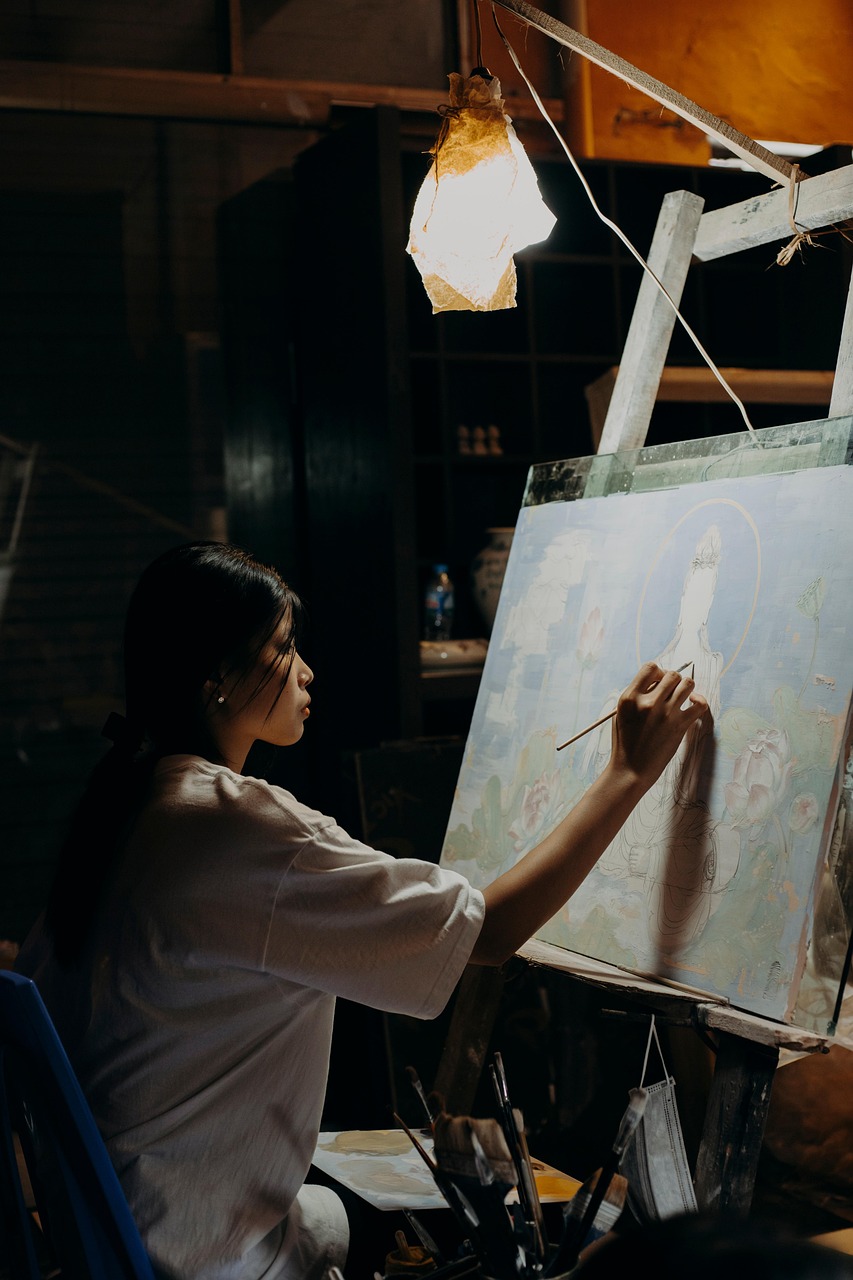
For artists and creators looking to establish or expand their urban studio spaces, maximizing natural light and optimizing space in an ADU (Accessory Dwelling Unit) is a critical aspect of creating a functional and inspiring work environment. Here are 10 essential tips to guide your journey towards finding or creating the perfect ADU for your artistic needs:
First, consider the orientation of the ADU. The placement and orientation of your studio within the building can significantly impact the amount of natural light it receives. Opt for a studio that faces south or west to capture the most direct sunlight during the day. This strategic placement can reduce the need for artificial lighting, thereby lowering your energy costs and creating a more pleasant working atmosphere.
Next, incorporate large windows or skylights. These design elements are essential for flooding your studio with natural light and creating a bright, open space. When working with a local contractor or ADU cost estimator, ensure these openings are well-placed and sized appropriately to maximize daylight. A south-facing studio with a large picture window can provide ample illumination for painting or drawing.
think vertically to optimize space. ADUs often have limited square footage, so utilizing vertical space is key. Consider installing loft areas or custom shelving to create additional storage and display space for your art supplies or finished pieces. This vertical integration can make your studio feel more expansive and organized.
When designing or selecting an ADU, prioritize natural ventilation and cross-breezing. Adequate airflow can enhance comfort and reduce the need for air conditioning. Strategically placed windows and doors can facilitate the flow of fresh air, keeping your studio environment comfortable and conducive to creative work.
Lastly, monetize your art through an ADU side hustle. By transforming your passion into a revenue stream, you can offset the costs of maintaining your studio. Whether offering art classes, selling artwork, or renting out your studio to other artists, this approach can make your ADU for artists and creators a sustainable and fulfilling venture.
Explore Co-working and Community Options
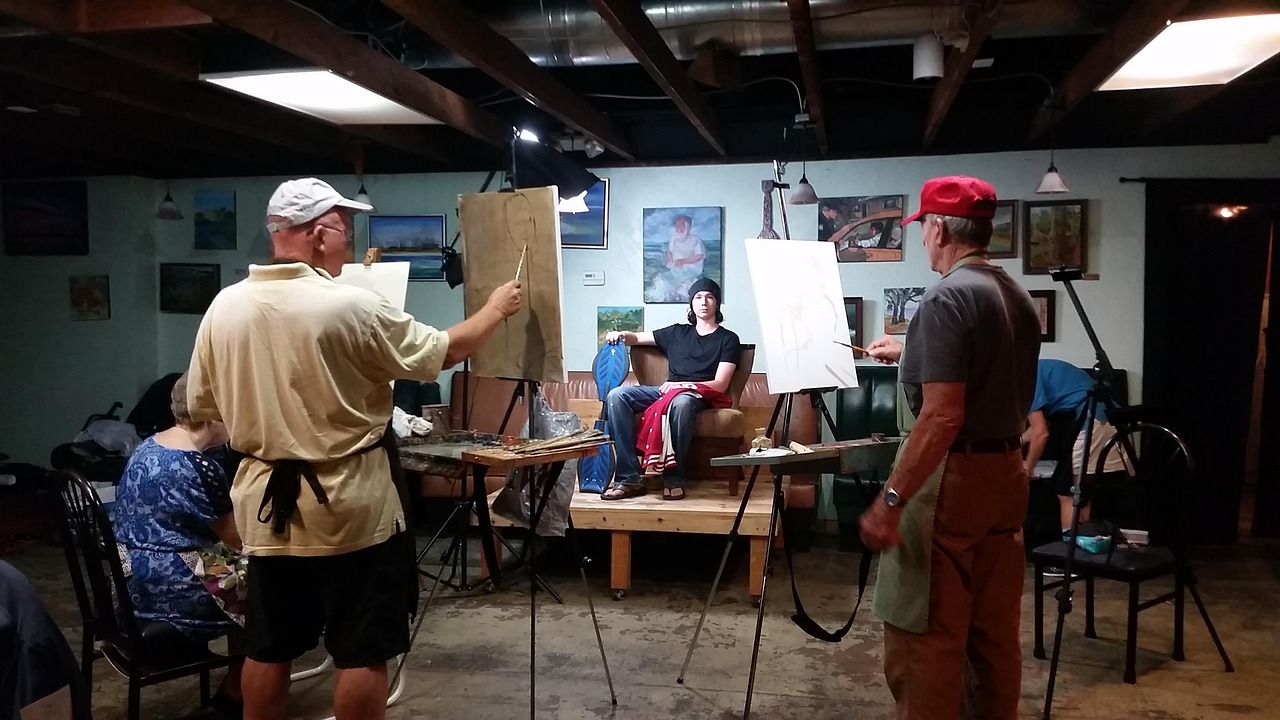
For artists seeking affordable ADUs in urban areas, exploring co-working and community options can open doors to both creative collaboration and cost savings. Engaging with local co-living spaces and remote work forums can reveal opportunities for shared spaces that cater specifically to the creative community. These arrangements not only provide a collaborative environment but can also reduce individual living expenses, a significant factor in expensive urban markets.
Consider the benefits of green ADU initiatives designed for creative spaces. Many cities are embracing sustainable development, offering incentives for environmentally friendly ADU projects. These initiatives may include tax breaks, streamlined permitting, or even grant programs aimed at encouraging the conversion of underutilized spaces into vibrant artistic hubs.
The process of securing an ADU can be streamlined in urban areas where same-day permit applications for art installations are possible. This efficiency can be a major improvement for artists who need flexible, adaptable spaces to showcase their work. When applying for permits, artists can emphasize the unique character of their proposed installations, potentially accelerating the review process. This speed can be particularly advantageous for pop-up exhibitions or seasonal art markets, allowing artists to quickly transform their ADUs into dynamic, community-engaging spaces.
Lastly, engage with local contractors and financial advisors who have experience with ADUs for artists and creators. These professionals can provide valuable insights into the most cost-effective designs, financing options, and community resources. Financial advisors, for instance, can help navigate the financial aspects of an ADU, ensuring that the project aligns with the artist's budget and long-term financial goals. By leveraging these partnerships, artists can turn their urban ADU dreams into reality.
Leverage Online Marketplaces and Networks

For artists and creators seeking affordable housing solutions in urban areas, exploring online marketplaces and networks can be a major improvement. The digital realm offers a wealth of opportunities to connect with like-minded individuals, discover lesser-known options, and often, find cost-effective ADU renovations tailored to creative minds. One popular platform, dedicated to unique housing options, showcases listings from local builders and architects specializing in ADUs, providing a filtering system to suit various budgets and preferences.
When navigating these online spaces, artists can leverage the power of community and shared interests. Many digital nomad communities, for instance, have forums and groups where members discuss the best ADU locations, share local insights, and even collaborate on projects. These networks can be invaluable for finding lesser-known options in popular urban areas, often revealing spaces that might otherwise go unnoticed by traditional real estate searches. Some platforms cater specifically to eco-conscious creatives, promoting green ADU initiatives and sustainable design practices, ensuring artists can contribute to a healthier planet while pursuing their passions.
An artist's online journey doesn't stop at finding listings; it's also a chance to connect with contractors and designers. Many local contractors, aware of the growing demand for ADUs among creative professionals, have established online presences. They offer insights into the latest trends, share project portfolios, and provide cost estimates, making it easier for artists to visualize and plan their dream ADU spaces. Interior designers specializing in ADUs can be found on various design-focused platforms, offering personalized advice and helping artists create functional, inspiring work environments.
Negotiate and Secure Favorable Lease Terms
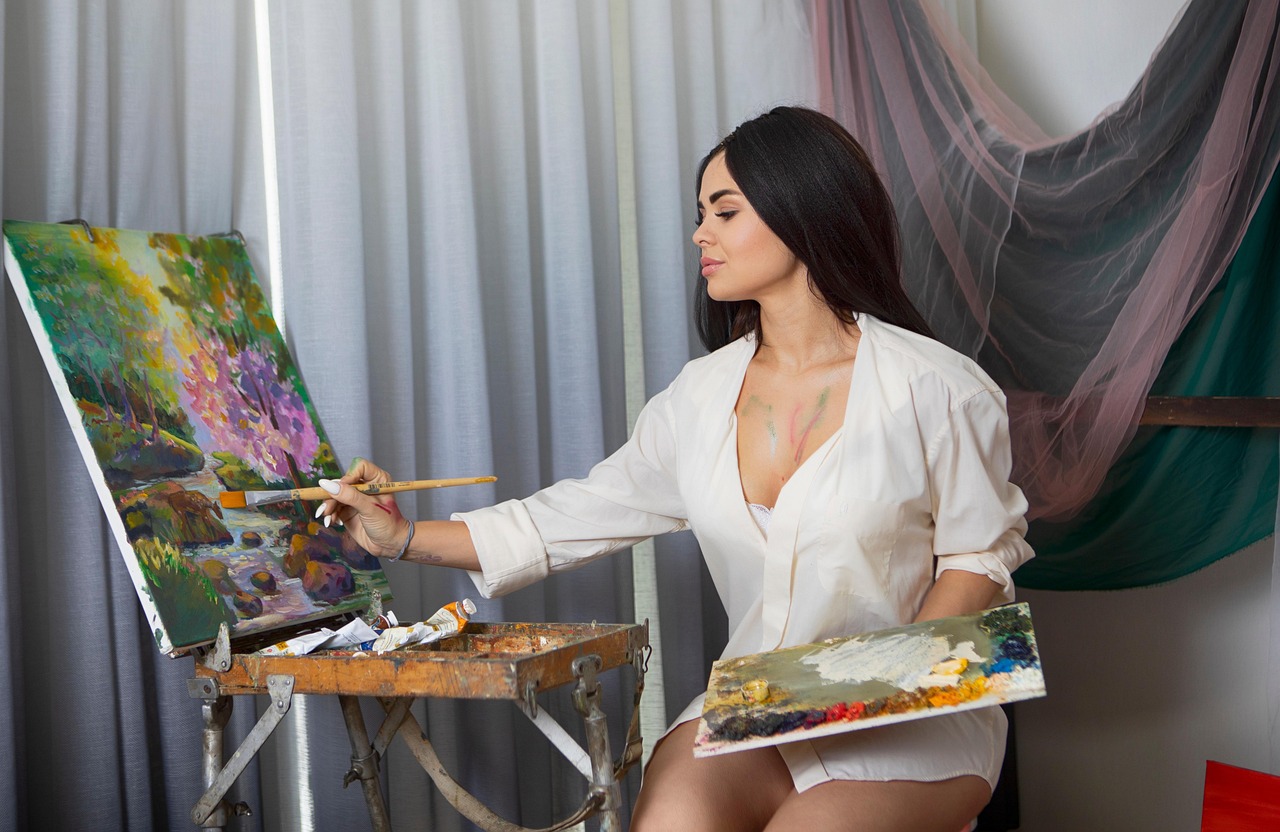
When hunting for an affordable ADU, artists often find themselves at a unique crossroads. The right ADU can provide a vibrant, inspiring space to create, while also offering stability and community. However, navigating the lease process can be complex, especially in urban areas where demand is high. Securing favorable lease terms is a critical yet often overlooked aspect that can make or break an artist's experience in their new living and working space.
One of the most effective strategies for artists seeking an ADU is to become an active participant in the negotiation process. Don't be afraid to ask for what you need. Consider requesting a longer lease term in exchange for consistent rent payments. Many landlords appreciate the stability of long-term tenants, and this can result in a lower monthly rate or other concessions. Artists can leverage their unique skills and contributions to the community. If you're an illustrator, for example, offer to create custom artwork for the landlord's other properties. This can add value to the property and strengthen the relationship.
Engaging with trusted ADU inspectors and local experts in your area can provide invaluable insights. These professionals can offer guidance on areas that may not be immediately apparent, such as potential maintenance issues or neighborhood dynamics. Nearby ADU studios for rent might offer insights into the local market and the most sought-after amenities. Remember, knowledge is power. Understanding the nuances of the lease agreement and the local ADU landscape will empower you to make informed decisions, ultimately securing a space that meets both your artistic and practical needs.
Prioritize clear communication throughout the process. Document all agreements, from initial discussions to final signatures. This documentation can serve as a reference if any misunderstandings arise. For artists, it's also beneficial to consider the aesthetic appeal of the space. Many ADUs, especially those converted from older buildings, offer unique character. Engage with a contractor or interior designer who understands the artistic vision and can help tailor the space to your needs. By combining strategic negotiation, local expertise, and a clear communication strategy, artists can navigate the ADU landscape successfully, achieving their dream spaces for creativity and living.
Frequently Asked Questions About 10 Essential Tips for Artists Seeking Affordable ADUs in Urban Areas
What is an Accessory Dwelling Unit (ADU) and why is it important for artists? ADUs are additional residential units built within or on the property of an existing home. For artists in urban areas, they offer an affordable housing option, allowing them to live and work in the same space. This is particularly beneficial for artists who may struggle to find and afford studio space separately, providing a solution for both living and creative needs.
How can artists find affordable ADU options in urban areas? Researching local real estate markets is crucial. Many cities have online resources and maps showing ADU listings. Artists can also connect with local artists' collectives, co-ops, or community groups that may have information on affordable ADU opportunities. Networking with contractors and developers specializing in ADUs can also lead to exclusive deals or word-of-mouth recommendations.
What are some essential tips for negotiating the cost of an ADU? Understand market rates for ADUs in your area and be prepared to discuss pricing. Artists might consider offering to help with renovations or design in exchange for a reduced cost. Applying for grants or loans specifically for artists seeking ADUs can provide financial assistance. Keep an eye on local incentives and funding programs designed to support creative professionals.
Can artists convert their current studio space into an ADU? Absolutely. Converting an existing studio into an ADU is often more cost-effective than building from scratch. However, this process requires careful planning and ensuring the space meets local building codes and safety standards. Consulting with an architect and a licensed contractor familiar with ADU conversions is essential for a successful project.
What are the legal considerations when building an ADU? Local zoning laws and building regulations vary, so artists must ensure their ADU plans comply with these rules. Permits are usually required, and the process can be lengthy. It's crucial to understand the zoning regulations for your area and consult with local authorities or a real estate professional to avoid legal complications.
For artists and creators seeking affordable ADUs in urban areas, this article has illuminated ten essential tips that can streamline the process and enhance their living and working conditions. By understanding local regulations, strategically identifying affordable spaces, prioritizing flexible design choices, and maximizing natural light, artists can create vibrant, functional, and cost-effective ADUs. Exploring co-working and community options, leveraging online marketplaces, and negotiating favorable lease terms are also crucial steps. Armed with these insights, artists can navigate the complexities of urban ADU ownership with confidence, ensuring their creative spaces not only meet their needs but also thrive within the community.
Artists seeking affordable urban living and working spaces can navigate the ADU landscape by understanding local regulations, leveraging online resources, and strategically negotiating leases. Key steps include familiarizing themselves with urban ADU rules, connecting with local building departments and housing authorities, and engaging with professionals who specialize in artistic ADUs. Artists should also consider location, focusing on areas with high creative industry concentrations for rental options.
The process involves balancing the artist's budget with the local real estate market, incorporating custom design features, and ensuring adequate natural lighting and ventilation. Engaging with co-living spaces, remote work forums, and professionals can reveal opportunities for shared spaces and green ADU initiatives.
Online marketplaces and networks offer unique listings, community insights, and connections with contractors and designers. Artists should become active participants in lease negotiations, offering long-term leases or unique skills in exchange for favorable terms. Engaging with trusted experts and maintaining clear communication throughout the process is crucial for securing a vibrant, inspiring, and practical ADU space.