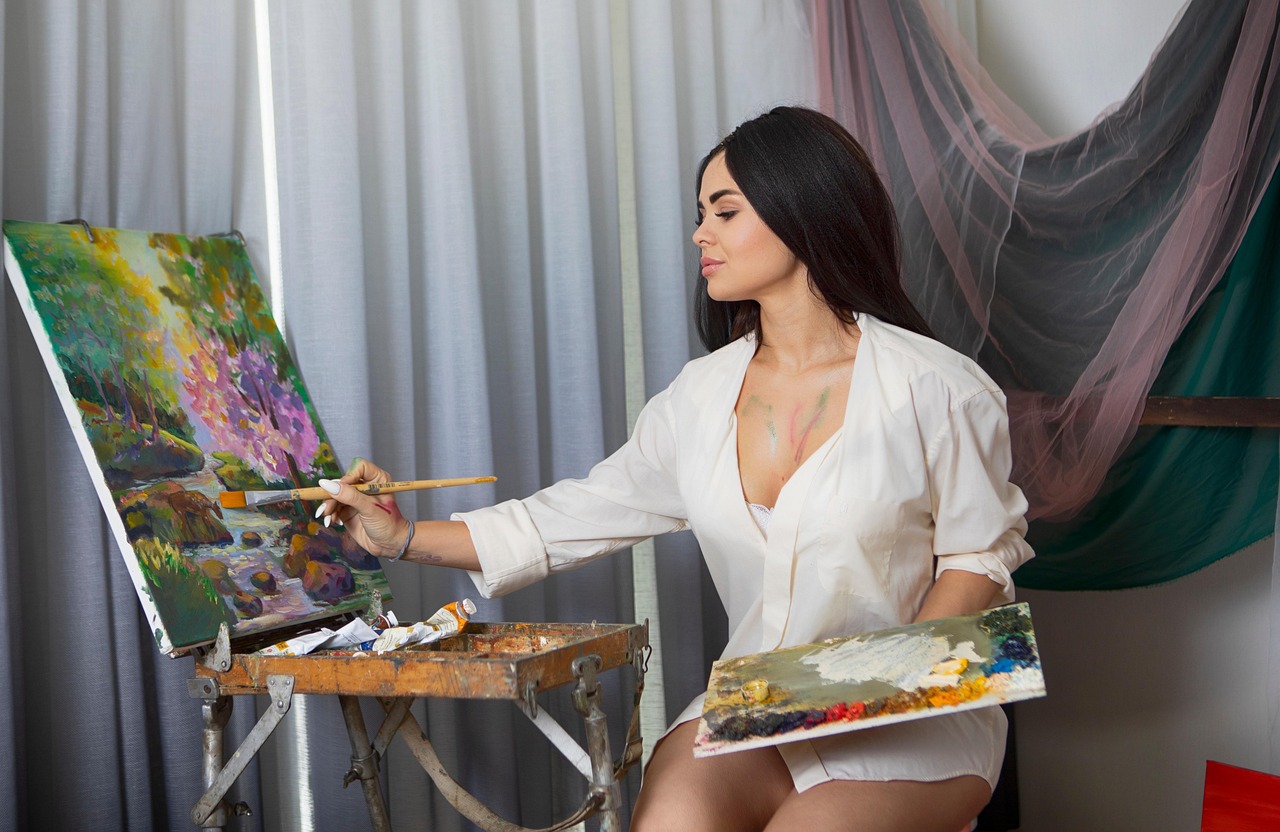
Artists and creators across the nation are increasingly turning to Accessory Dwelling Units (ADUs) as a means to expand their workspace, accommodate growing families, or generate rental income. However, navigating the complex web of licensing requirements can be a significant barrier for those looking to turn their creative vision into a reality. This practical guide breaks down the legal, design, financial, and practical aspects of ADUs for artists and creators, providing state-by-state insights to ensure a smooth and successful project. By understanding the necessary steps and regulations, you can transform your extra space into a thriving hub of artistic productivity.
- Understanding ADU Licensing for Artists: A State-by-State Guide
- Key Requirements for Artists: Permits and Licenses
- Local Regulations: Where to Find ADU Guidelines for Creators
- Application Process: Step-by-Step for Artists' ADUs
- Common Mistakes Artists Make: Avoiding Licensing Pitfalls
- Legal Considerations: Protecting Your ADU Business
- Success Stories: How Artists Navigated ADU Licensing
Understanding ADU Licensing for Artists: A State-by-State Guide

Understanding ADU Licensing for Artists: A State-by-State Guide
Navigating the legal landscape of accessory dwelling units (ADUs) for artists and creators can be a complex task. Each state, and even local jurisdictions within those states, have their own set of regulations and requirements. This guide aims to demystify the ADU licensing process, offering a comprehensive look at the state-by-state requirements specifically tailored to artists and creators looking to establish green ADU initiatives for creative spaces.
California has been a leader in ADU legislation, with a strong emphasis on housing affordability and sustainability. The state's Local Building Departments and State Housing Authorities have implemented flexible guidelines for ADU conversions, allowing for quicker construction and reduced costs. The National Conference of State Legislatures (NCSL) reports that over 40 states have some form of ADU legislation in place, each with its own unique set of permits and approvals. When considering an emergency ADU construction for creators, it's crucial to understand these local laws, as they can dictate the design, size, and functionality of the unit.
Top-rated ADU conversion services often have deep knowledge of these regulations, helping artists navigate the process with minimal disruption. They can provide expert advice on everything from structural modifications to ensuring proper ventilation and acoustic engineering for creative spaces. In cities like [artist-focused city], where the demand for ADUs is high, local contractors specializing in these conversions can be invaluable assets. They can guide artists through the licensing process, ensuring that the final product not only meets the legal requirements but also enhances the artist's creative environment.
By understanding the ADU licensing requirements specific to their state and local area, artists and creators can make informed decisions about their projects. Whether planning a green ADU initiative or an emergency construction, knowing the regulations upfront can save time, money, and potential headaches. This state-by-state guide is a starting point for navigating the complexities of ADU licensing, offering practical insights and expert advice tailored to the unique needs of artists and creators.
Key Requirements for Artists: Permits and Licenses

The path to establishing a creative space through an ADU (Accessory Dwelling Unit) involves navigating a complex web of legal requirements. For artists and creators seeking to turn their vision into reality, understanding the permits and licenses needed is paramount. This section examines the key requirements, offering a strategic guide to navigating the process successfully.
First, artists must familiarize themselves with the local building departments and their specific codes regarding ADUs. The National Conference of State Legislatures provides a comprehensive overview, highlighting the varying regulations across states. These rules dictate everything from zoning to structural safety, with some cities having stringent requirements for interior design and energy efficiency. Los Angeles mandates a minimum square footage for ADUs, while San Francisco places restrictions on the ratio of living space to parking.
Obtaining the necessary permits is a crucial step in the process. Artists should consult with local contractors and ADU cost estimators to gather the required documentation. This might include a building permit, which allows for construction or modification, and an use permit, ensuring the ADU complies with zoning laws. Nearby ADU studios for rent can offer insights into local regulations, as artists can learn from existing structures. Engaging with local ADU authorities and attending remote work forums or co-living space discussions can provide valuable information on the best ADU spaces for artists near me and the legal considerations unique to this type of residential expansion.
Finally, artists must be aware of state housing authority rules, which can impact rent control and tenant rights in ADUs. Understanding these regulations is essential, especially for artists who plan to offer their ADU studios for rent. By adhering to these guidelines, artists can ensure their ADU for artists and creators is both legally sound and a thriving hub for their creative endeavors.
Local Regulations: Where to Find ADU Guidelines for Creators
Navigating local regulations is a critical step for artists and creators considering an ADU (Accessory Dwelling Unit). The first place to start is understanding the specific guidelines set by your region. Local building departments often have detailed information on ADU permits, zoning laws, and construction standards. The National Conference of State Legislatures provides comprehensive overviews of state-level regulations, which can offer a good starting point.
The best ADU locations for digital nomads often align with areas known for their creative communities. Many cities have local ADU experts who can guide artists through the process. They can offer valuable insights into what makes a space conducive for creative work and living, as well as help artists understand the necessary licensing requirements.
Before examining construction, artists should also consult with architects specializing in ADUs and interior designers. They can provide expert advice on space optimization, ensuring the ADU meets the unique needs of creative professionals. Sunlight analysis software can be used to maximize natural light, a key factor for many artists. Reviews and ratings of local ADU services can be found on specialized forums and platforms, offering valuable insights into the quality of work and customer satisfaction.
Community engagement is another aspect to consider. Remote work forums, co-living spaces, and digital nomad communities can provide a wealth of information on the local ADU scene. Acoustical engineers may be necessary to ensure the ADU meets noise levels and privacy standards, especially in urban areas. By combining these resources, artists and creators can make informed decisions, ensuring their ADU not only meets legal requirements but also enhances their creative practice and overall quality of life.
Application Process: Step-by-Step for Artists' ADUs
The application process for an ADU (Accessory Dwelling Unit) tailored to artists and creators' needs involves several key steps, ensuring a legally compliant and functional space for creative endeavors. First, artists must familiarize themselves with the legal landscape, beginning with local building departments and state housing authorities. The National Conference of State Legislatures provides valuable resources on state-specific ADU regulations, which vary widely. Understanding these guidelines is crucial for a successful application.
Professional ADU design is a critical aspect, especially for maximizing natural light-a key element in creative spaces. Artists should collaborate with architects specializing in ADUs and interior designers to craft a layout that meets their unique requirements. Incorporating design elements that enhance natural light exposure and offer flexibility for various artistic practices can transform the ADU into a vibrant hub for creativity. Architects can employ sunlight analysis software to optimize window placements, ensuring the space is well-lit throughout the day.
The actual application process begins with submitting the necessary forms to the local building department. This typically involves providing detailed plans, architectural drawings, and a cost estimate from an ADU cost estimator. Local contractors play a vital role in the construction phase, offering expertise in emergency ADU construction for creators who need swift solutions. Financial advisors and real estate market analysts can also guide artists through the financial aspects, ensuring the project remains within budget and aligned with the local market.
Artists should consider the community aspect, especially in the context of remote work and co-living spaces. Joining remote work forums and engaging with digital nomad communities can provide valuable insights into the evolving landscape of creative work. These connections can enhance the overall value of the ADU, making it not just a functional space but a hub for like-minded creators.
Common Mistakes Artists Make: Avoiding Licensing Pitfalls

When examining the world of ADUs for artists and creators, navigating the legal landscape is crucial to avoid potential pitfalls. One of the most common mistakes artists make is underestimating the importance of understanding local licensing requirements. Every state, and even individual cities, have their own rules and regulations regarding Accessory Dwelling Units, and these can significantly impact your project's feasibility and legality.
You might be excused for assuming that since you're an artist, the process would be straightforward. The local building department, often the primary point of contact, will guide you through the necessary steps, which may include obtaining an use permit, ensuring structural compliance, and, in some areas, a fire safety inspection.
Another pitfall involves understanding the distinction between residential and commercial uses. While an ADU for artists and creators can blend the two, especially in co-living spaces, it's essential to comply with zoning laws. The National Conference of State Legislatures (NCSL) offers a practical guide to help navigate these complexities. Failing to do so could result in legal issues, fines, or even the necessity to tear down non-compliant structures.
To mitigate these risks, artists should actively engage with local authorities, consult with architects specializing in ADUs, and seek financial advice from experts who understand the unique financial considerations of ADUs for artists. By doing so, you can ensure that your creative space not only meets legal requirements but also serves as a thriving hub for your artistic endeavors.
Legal Considerations: Protecting Your ADU Business

When venturing into the world of ADUs for artists and creators, understanding the legal landscape is crucial for a successful and compliant business. The licensing requirements for ADU (Accessory Dwelling Unit) conversions and constructions vary significantly from state to state, and navigating these can be complex. This section offers a strategic guide to help artists and entrepreneurs make informed decisions when establishing creative spaces.
The National Conference of State Legislatures (NCSL) reports that over 50 states have some form of ADU regulations in place, each with unique requirements. Local Building Departments and State Housing Authorities are key players in this process. Artists looking to convert existing spaces or build new ones must familiarize themselves with these entities and their specific mandates. Some states may require a same-day ADU permit for art installations or temporary creative spaces, while others might have stricter regulations for permanent conversions.
Cost-effective ADU renovations can be a significant draw for artists and creators, offering flexible and affordable spaces. However, ensuring compliance is essential to avoid legal pitfalls. Engaging local contractors and ADU cost estimators who understand the unique needs of creative businesses can streamline the process. Staying abreast of green ADU initiatives, which encourage sustainable building practices, can provide tax incentives and further reduce costs. Some states offer tax credits for energy-efficient features incorporated into ADU projects. By staying informed about these incentives, artists can make environmentally conscious choices while keeping their businesses within regulatory bounds.
Success Stories: How Artists Navigated ADU Licensing

For many artists and creators, the concept of an Accessory Dwelling Unit (ADU) offers a unique opportunity to combine living space with a dedicated area for their craft. However, navigating the licensing requirements can be a complex process, especially when integrating art installations. This section explores success stories and offers a practical guide to help artists understand and successfully navigate the ADU licensing process by state.
Consider the case of Sarah, a contemporary artist who sought to transform a small, unused corner of her backyard into a vibrant art studio. After consulting with local architects specializing in ADUs and interior designers, she chose a design that maximized natural light, a key factor for her creative process. The project required several permits, including a same-day ADU permit for her art installations. She worked closely with her contractor and local building department to ensure all regulations were met. The result? A stunning, legally compliant ADU that serves as both her home and creative sanctuary.
Maximizing natural light in an ADU for artists is a recurring theme in success stories. Architects often recommend strategic window placement and sunlight analysis software to ensure the space is conducive to artistic work. Choosing the ideal ADU spot within the property is crucial. Some artists opt for conversions in existing outbuildings or garages, while others prefer detached structures for complete privacy. A thorough understanding of local zoning laws and ADU regulations is essential. Some areas may have specific requirements for set-backs, parking, and noise levels, impacting the design and functionality of the ADU.
To streamline the process, artists are encouraged to engage with local ADU authorities and state housing authorities early on. These entities can provide valuable guidance on permitting, zoning, and even offer financial incentives for certain projects. Financial advisors and real estate market analysts can also assist in assessing the potential return on investment and the overall feasibility of an ADU project for artists. By combining expert advice with a thoughtful design approach, artists can successfully create their ideal ADU, fostering a productive environment for their creative endeavors.
What are ADUs and why are they important for artists? ADUs, or Accessory Dwelling Units, are secondary residential spaces within a primary residence. They offer artists affordable and flexible living arrangements, often in urban areas with high real estate costs. By legalizing and regulating ADUs, states can provide a crucial housing option for creative individuals while ensuring safety, privacy, and community standards.
How do licensing requirements for ADUs impact artists? Licensing requirements vary by state and often include permits, zoning regulations, and safety standards. For artists, understanding these requirements is essential to legally and responsibly create their living and working spaces. This includes obtaining necessary permits, ensuring the unit meets building codes, and adhering to local zoning laws.
What is the process for obtaining an ADU permit? The permit process typically involves submitting an application to the local building department, providing architectural plans, and paying a fee. An inspector will review the plans and may conduct an on-site inspection to ensure compliance with building codes and zoning regulations. Artists should consult their local government websites or contact building departments directly for detailed application guidelines.
Are there any state-specific considerations for artists looking to convert a space into an ADU? Yes, each state has unique regulations. Some states may have specific requirements for energy efficiency, while others might have restrictions on the use of ADUs for short-term rentals. Artists should research their state's guidelines, as some may offer simplified processes for certain types of creative spaces. Understanding these nuances ensures a smooth conversion process.
Can an artist's ADU be used as a studio space? Absolutely. Many artists choose ADUs for their flexibility in use. They can serve as living spaces, studios, or even home offices. However, ensuring the space meets fire safety, ventilation, and noise regulations is crucial, especially for studios where hazardous materials or equipment are used. Artists should consult with professionals to design a space that complies with all applicable codes.
Are there tax benefits for owning an ADU? Potential tax benefits vary by location and include property tax deductions and incentives for energy-efficient modifications. Artists should consult with a tax professional to understand how their ADU ownership might impact their tax obligations and explore available deductions.
As artists and creators explore the potential of ADUs as workspaces, understanding the intricate web of licensing requirements is essential for a smooth transition into these legal living and working spaces. This practical guide has navigated the state-by-state variations in ADU regulations, emphasizing the key permits and licenses necessary for artists. By uncovering local guidelines, demystifying the application process, and highlighting common pitfalls, we've equipped creators with the knowledge to confidently navigate the ADU licensing landscape.
The success stories shared throughout the article demonstrate the tangible benefits of informed decision-making. By adhering to legal considerations and leveraging practical steps, artists can turn their ADU dreams into reality, fostering creative productivity while ensuring compliance. Moving forward, artists and creators can approach ADU licensing with renewed confidence, armed with the tools and insights necessary to thrive in this evolving housing environment.
The guide demystifies ADU licensing for artists, highlighting the varying state-by-state regulations. It emphasizes the importance of local building departments, NCSL reports, and state housing authorities' roles. Key takeaways include:
- Local Knowledge is Crucial: Each state's rules differ, impacting design, size, and functionality.
- Expert Guidance: Engage contractors, ADU cost estimators, and financial advisors for navigation.
- Compliance and Flexibility: Artists must balance legal requirements with creative space needs, especially for green and emergency ADUs.
- Success Stories: Highlighting real-world examples emphasizes the benefits and best practices.
- Maximizing Natural Light: A critical design element for artists, achieved through strategic window placement and software analysis.
- Early Engagement: Communicate with local authorities and financial experts for a smoother process.