
The integration of artists and creators into vibrant, sustainable communities is a growing movement, with ADUs (Accessory Dwelling Units) emerging as a key enabler. As urban areas grapple with housing shortages and soaring costs, ADUs offer artists and creators an affordable housing solution, fostering local economies and cultural richness. However, navigating the legal and regulatory landscape, optimizing space and budget, and ensuring adequate community infrastructure can be daunting. This article examines the multifaceted role of ADUs in building sustainable art districts, exploring the legal framework, design considerations, financial aspects, and community integration to provide artists and creators with practical insights for thriving in their communities.
- Understanding ADUs: A Gateway for Artists' Spaces
- The Sustainability Impact: Green Art Districts Emerge
- Community Engagement: ADUs Foster Local Creativity
- Design and Function: Creating Optimal Artist Workplaces
- Legal and Regulatory Framework: Navigating ADU Guidelines
- Economic Benefits: ADUs Drive District Revitalization
- Case Studies: Successful ADU Art District Transformations
Understanding ADUs: A Gateway for Artists' Spaces
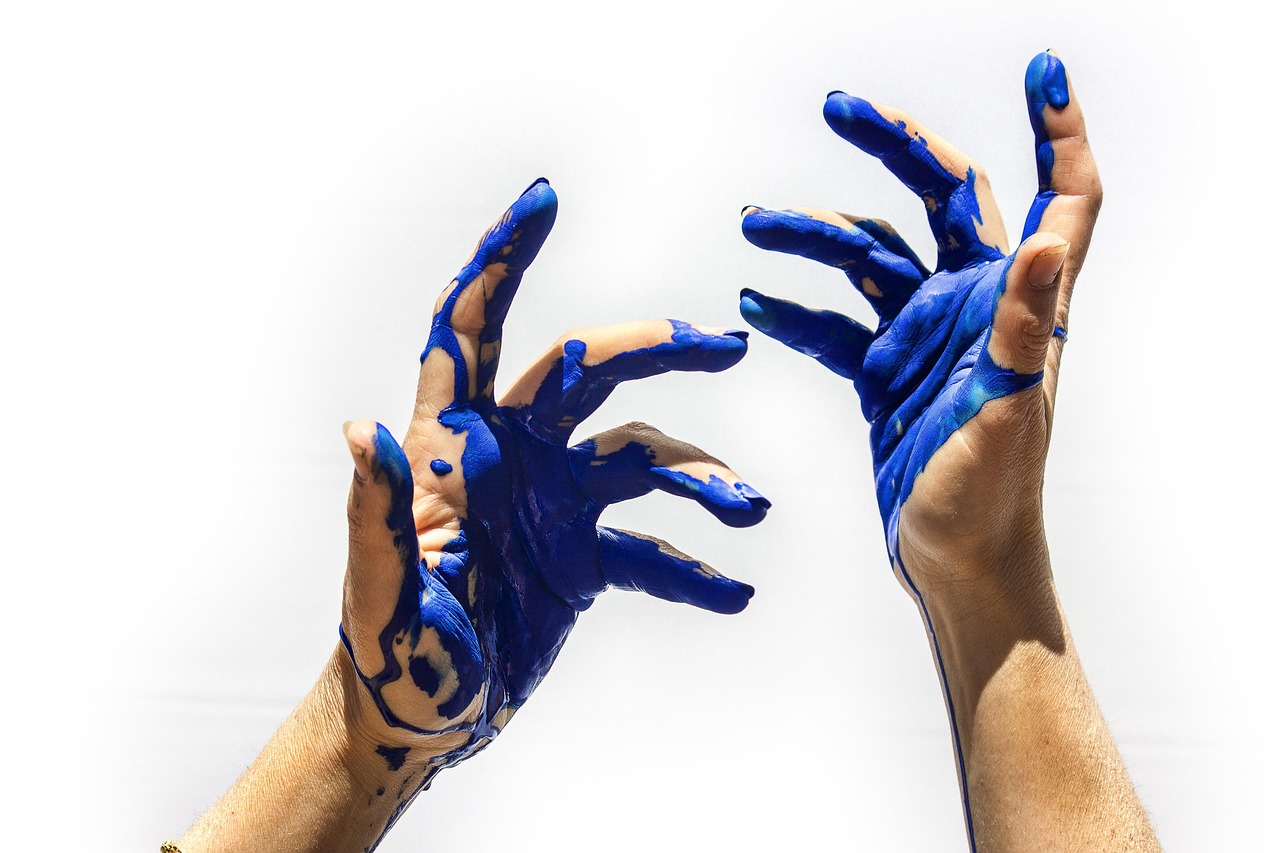
Artists and creators are increasingly turning to Accessory Dwelling Units (ADUs) as a crucial component in building sustainable art districts. This phenomenon represents not just a trend, but a strategic shift towards empowering artists with flexible, affordable, and adaptable living and working spaces. ADUs offer a unique gateway to fostering vibrant communities centered around artistic expression.
The appeal of ADUs for artists is multifaceted. First, they provide dedicated space for creative processes, whether it's a studio, gallery, or workshop. This separation from residential living allows artists to immerse themselves fully in their work. ADUs can be tailored to the specific needs of artists, incorporating elements like ample natural light, adjustable layouts, and efficient storage, enhancing productivity and inspiration. Many artists find that the flexibility of ADUs aligns perfectly with their nomadic and ever-changing lifestyles.
However, navigating the process of creating an ADU for artists requires a nuanced understanding of legal and regulatory frameworks. The National Conference of State Legislatures, Local Building Departments, and State Housing Authorities all play pivotal roles in shaping ADU regulations. Artists must also be aware of the financial considerations involved, from cost estimation to ensuring their chosen space is licensed and insured. These experts can assess structural integrity, electrical systems, and environmental factors, ultimately safeguarding both the artist's investment and their well-being.
Designing best ADU spaces for artists near me requires a thoughtful blend of architecture and interior design. Architects specializing in ADUs, in collaboration with interior designers, can craft spaces that optimize natural light, incorporate sustainable materials, and offer versatile layouts. Tools like sunlight analysis software aid in identifying the most ideal locations for windows and artistic installations. The successful integration of ADUs into art districts hinges on a holistic approach that balances creativity, functionality, and regulatory adherence.
The Sustainability Impact: Green Art Districts Emerge

The sustainable art district is a growing trend, and ADUs (Accessory Dwelling Units) play a pivotal role in this movement. For artists and creators seeking unique, green spaces to live and work, ADUs offer a solution that combines residential and creative needs. These additional housing units, often attached to main structures or set back from the street, can be tailored to artists' specific requirements, providing a sanctuary for artistic pursuits. The environmental impact of these districts is significant; by maximizing existing infrastructure and land use, ADUs reduce the need for new construction, lowering the carbon footprint of the community.
When designing and constructing these spaces, artists and creators must consider the local legal framework. The National Conference of State Legislatures provides guidelines for ADU regulations, while Local Building Departments and State Housing Authorities offer specific codes and permits. In many areas, trusted ADU inspectors are required to ensure safety and compliance. Licensed ADU contractors who specialize in artistic spaces are also essential. These professionals can help create best-in-class ADU spaces for artists near me, as demand continues to rise. The focus should be on optimal use of space, natural lighting, and integration with the local environment, ensuring the districts are not only sustainable but also aesthetically pleasing.
Sustainable art districts thrive on community engagement and collaboration. Remote work forums, co-living spaces, and digital nomad communities can flourish within these districts, attracting artists and creators from around the globe. The integration of sound-absorbing materials and acoustical engineering can accommodate diverse creative practices, from painting to music production. This diverse talent pool fosters an innovative ecosystem, where artists can collaborate, share resources, and inspire one another. As these districts grow, they may become magnets for cultural events, exhibitions, and workshops, further enhancing their environmental and artistic impact.
Community Engagement: ADUs Foster Local Creativity

Artists and creators are at the heart of sustainable art districts, and ADUs (Accessory Dwelling Units) play a pivotal role in empowering this community. Engaging with local artists and understanding their needs is crucial when developing these spaces. The process begins with identifying the ideal locations for ADUs, which can range from converted garages to separate structures, depending on the artist's requirements and the district's overall vision. A top-rated ADU conversion service might transform an underutilized backyard into a creative sanctuary, providing a dedicated space for painting, sculpture, or digital art.
Choosing the right spot involves considering factors like natural light, privacy, and accessibility. Artists often require ample daylight for their work, so a well-lit area with access to sunlight analysis software can significantly enhance productivity. The local building department and ADU authorities can provide guidelines and ensure the project complies with regulations. Once the location is secured, artists can focus on their craft, fostering a sense of community within the art district.
Community engagement is a key aspect of successful art district development. Encouraging artists to participate in local events, workshops, and forums promotes collaboration and a shared sense of purpose. Co-living spaces within the district could facilitate interactions between artists from diverse backgrounds, fostering cultural exchange. Digital nomad communities can thrive in these environments, connecting artists globally while contributing to the district's vibrant, dynamic nature. The role of ADUs in this context is to provide the physical infrastructure, but it's the community engagement that truly brings the art district to life.
Design and Function: Creating Optimal Artist Workplaces

When designing and functioning ADUs for artists and creators, the goal is to create optimal workspaces that foster creativity and productivity. This involves careful consideration of both the physical space and the broader community context. Artists working remotely, known as digital nomads, seek locations with reliable internet connections, low overhead costs, and a supportive creative environment. Best ADU locations for digital nomads often include urban areas with a growing artistic community, as these tend to offer both cultural inspiration and a network of like-minded individuals.
Negotiating ADU lease agreements as an artist requires a keen understanding of both the market and your specific needs. Engage with local contractors and real estate market analysts to gauge construction costs and rental rates. Remember, ADUs can be a significant investment, and a well-negotiated lease can help mitigate financial risks. Co-working ADU spaces for creative communities are another popular option, providing artists with shared amenities and the opportunity to connect with peers. These spaces are particularly beneficial for those new to an area, offering both a sense of belonging and access to resources and opportunities.
Architects specializing in ADUs, along with interior designers, play a crucial role in tailoring these spaces to artists' unique requirements. Sunlight analysis software, for instance, can help optimize natural light, which is essential for many artists. Acoustical engineers may be needed to ensure privacy and minimal disruption, especially in urban settings. The Local Building Departments and State Housing Authorities provide legal and regulatory frameworks that govern ADU construction, so it's essential to stay informed about these regulations to ensure compliance.
Community engagement is another vital aspect of sustainable art districts. Remote work forums, co-living spaces, and digital nomad communities can foster a sense of belonging and support. Artists and creators can leverage these networks to share knowledge, collaborate on projects, and find opportunities. By integrating these elements, ADUs for artists and creators can become more than just functional workspaces; they can become hubs for artistic exchange and community building.
Legal and Regulatory Framework: Navigating ADU Guidelines

Navigating the legal and regulatory landscape is a crucial step for artists and creators looking to establish sustainable art districts through ADUs (Accessory Dwelling Units). This process involves understanding and adhering to guidelines set by various bodies, including Local Building Departments, State Housing Authorities, and, in some cases, dedicated ADU Authorities. The National Conference of State Legislatures provides a comprehensive overview of state laws, which can significantly vary and impact the feasibility and design of ADUs.
When considering a top-rated ADU conversion service, artists must familiarize themselves with local regulations. Some areas may require specific design elements to enhance energy efficiency, while others might have strict zoning laws dictating the placement and size of ADUs. These guidelines are in place to maintain the integrity of neighborhoods and ensure fair housing practices. As cost-effective ADU renovations for creative minds gain popularity, it's essential to stay informed to avoid costly mistakes. Consulting with local contractors and real estate market analysts can offer insights into the most efficient and compliant ADU design options.
Choosing the ideal ADU spot is a strategic decision for artists and creators. Factors such as proximity to co-living spaces and digital nomad communities can enhance the sustainability of these districts. Assessing the local acoustic environment is crucial, especially for artists who require quiet spaces for creative work. Acoustical engineers can play a vital role in ensuring that ADUs provide the necessary privacy and serenity, fostering an environment conducive to artistic production. By understanding and working within the legal and regulatory framework, artists can contribute to the development of vibrant, sustainable art districts.
Economic Benefits: ADUs Drive District Revitalization

The economic potential of ADUs (Accessory Dwelling Units) for artists and creators is transforming urban landscapes and fostering vibrant, sustainable art districts. These modular additions, often converted from underutilized spaces, offer not only living quarters but also co-working ADU spaces for creative communities, nurturing a diverse and dynamic artistic ecosystem. The influx of artists and creators is a catalyst for district revitalization, attracting investment, and stimulating local economies.
The legal framework supporting ADUs for artists varies across jurisdictions, with the National Conference of State Legislatures and local building departments playing crucial roles in shaping policies. Many cities have recognized the value of these spaces, streamlining permitting processes. Some local ADU authorities now offer same-day permits for art installations, encouraging the rapid development of creative hubs. This shift in regulations, combined with the growing demand for affordable, flexible living, has fueled a boom in ADU conversions, with artists and creators reclaiming forgotten corners of urban spaces.
Financial considerations are key to achieving the full potential of ADUs for artists. While initial costs, including design, construction, and permits, can be substantial, long-term benefits outweigh these expenses. ADU cost estimators and financial advisors can guide artists through the process, helping them navigate the complex financial landscape. Real estate market analysts predict a strong demand for these spaces, with rental income potentially surpassing mortgage payments within a few years. The economic viability of ADUs, coupled with the legal and design innovations, is paving the way for thriving, sustainable art districts.
Community-oriented ADUs further enhance the appeal of these districts. Remote work forums, co-living spaces, and digital nomad communities are integrating into these environments, fostering a collaborative atmosphere. Acoustical engineers are even contributing to the design of these spaces, ensuring the artistic and professional needs of residents are met. This blend of economic, legal, and community factors is revitalizing urban areas, creating thriving centers for artists and creators to flourish.
Case Studies: Successful ADU Art District Transformations
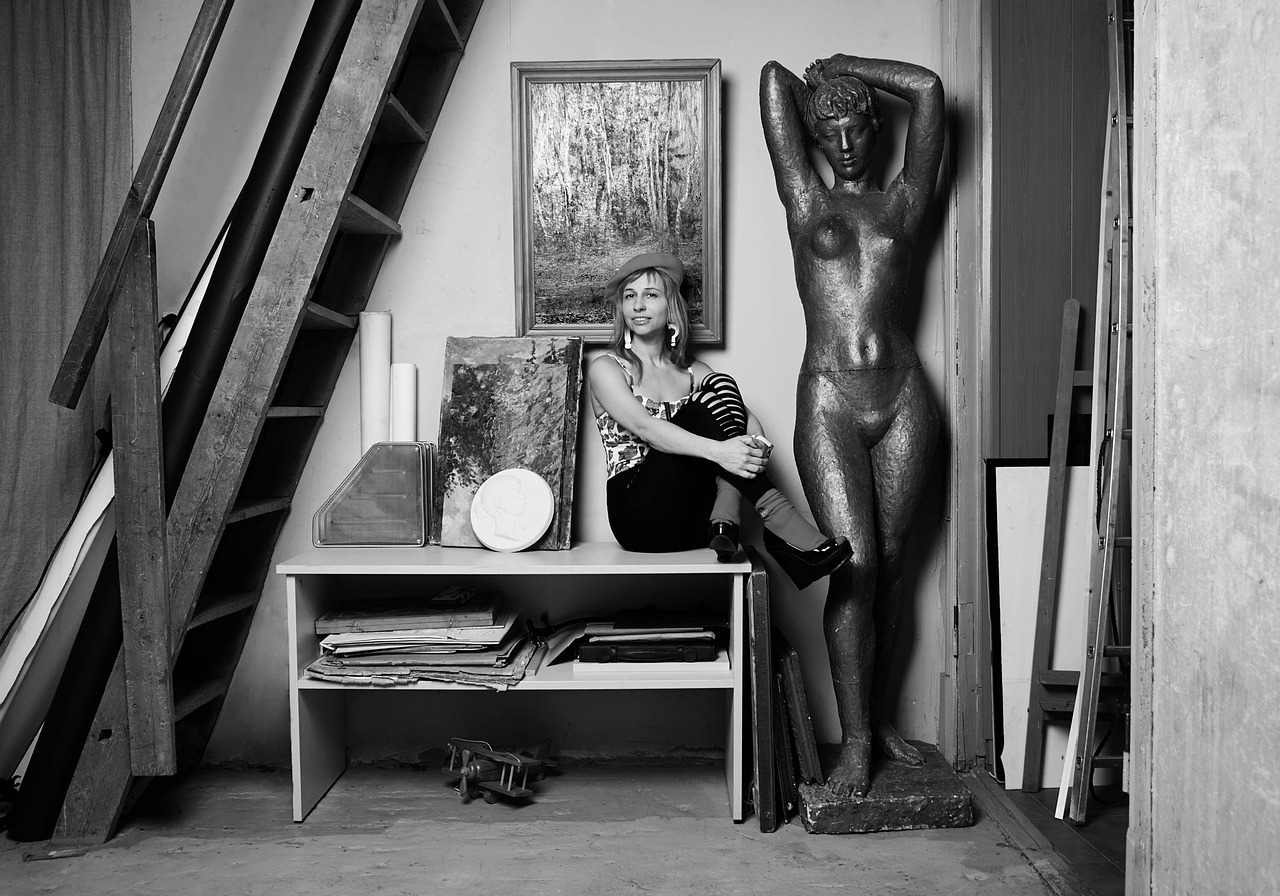
Successful ADU Art District Transformations
The transformation of underutilized spaces into vibrant art districts powered by ADUs for artists and creators is a sign of the power of community and sustainable urban development. Consider the case of Los Angeles' Arts District, once a mix of abandoned warehouses and industrial sites. Through strategic planning and local initiatives, the area has emerged as a thriving hub for artists, with numerous ADU studios for rent attracting creatives from across the city. This shift not only revitalized the neighborhood but also put a significant number of artists and creators closer to their peers, fostering collaboration and inspiring innovation.
One key factor in these transformations is the collaboration between artists, local building departments, and developers. Architects specializing in ADUs work closely with interior designers and acoustical engineers to create best ADU spaces for artists that are not only functional but also supportive of artistic expression. The National Conference of State Legislatures has recognized the need for adaptable, flexible spaces that cater to the unique needs of artists. By prioritizing natural lighting, open floor plans, and soundproofing, these ADUs provide an ideal environment for a variety of artistic pursuits, from painting and sculpture to music recording and digital media.
Financial and practical considerations also play a crucial role. ADU cost estimators and local contractors work with financial advisors and real estate market analysts to ensure that these projects are both feasible and accessible. Many artists and creators find that the flexibility of ADU ownership, combined with potential rental income, makes it a viable alternative to traditional studio spaces. Local ADU authorities and state housing authorities often offer incentives and grants to encourage the development of artist-focused ADUs, making these spaces even more attractive and affordable.
Community engagement is another vital aspect. Remote work forums, co-living spaces, and digital nomad communities have contributed to the growth of art districts by providing a steady stream of creative individuals looking for inspired spaces to work. These communities often organize events, workshops, and exhibitions that bring the local art scene to life. Nearby ADU studios for rent in Seattle have become hubs for a thriving digital art community, hosting regular gatherings and showcases that attract both local and international artists. This sense of community not only enriches the artistic experience but also strengthens the economic vitality of the district.
Frequently Asked Questions About The Role of ADUs in Building Sustainable Art Districts
What are ADUs, and how do they relate to art districts?
ADUs, or Accessory Dwelling Units, are additional housing units built within or on the property of an existing primary residence. In the context of art districts, ADUs can provide living spaces for artists, creators, and art professionals, fostering a vibrant and sustainable community. They offer a practical solution to the housing crisis by maximizing property use, promoting local talent, and contributing to the cultural richness of the district.
Why are sustainable art districts important?
Sustainable art districts promote environmental stewardship, cultural preservation, and economic growth. They encourage the use of eco-friendly practices in construction and daily operations, reducing the district's carbon footprint. These districts often preserve historical or architectural elements, maintaining the area's cultural identity. They stimulate local economies by attracting artists, visitors, and art-related businesses, creating a unique and thriving cultural hub.
How do ADUs contribute to the sustainability of art districts?
ADUs play a crucial role in sustainable art districts by offering affordable and accessible housing for artists. By housing local talent, ADUs support the district's artistic ecosystem and encourage a sense of community. From a sustainability perspective, ADUs can be designed with energy-efficient features, such as solar panels, to reduce the district's overall energy consumption. They can also promote resource sharing and community gardens, further enhancing the district's eco-friendliness.
What are the legal considerations for implementing ADUs in art districts?
Local zoning laws and building regulations significantly impact the feasibility of ADU implementation in art districts. Some areas have specific guidelines or restrictions on ADU construction, including size, placement, and architectural style. Artists and developers must ensure compliance with local laws to avoid legal issues. Collaborating with architects, contractors, and legal experts who have experience with ADU projects is essential to navigate these regulations successfully.
Can ADUs be tailored to fit the unique character of art districts?
Absolutely. ADUs can be designed to complement the existing architectural style and aesthetic of art districts. Whether it's a modern addition to a historic building or a minimalist structure blending into a vibrant street scene, ADUs can be customized to respect and enhance the district's character. Artists and designers can work with architects to create unique and culturally sensitive spaces that fit seamlessly into the district's identity.
What are the potential economic benefits of art districts with ADUs?
Art districts with ADUs can attract artists, art students, and art-related businesses, increasing the area's desirability and foot traffic. This influx can lead to the development of art galleries, workshops, and cultural events, stimulating the local economy. The presence of artists often correlates with a rise in property values, making the art district an attractive investment opportunity. The economic impact can also extend to nearby businesses, creating a ripple effect of prosperity.
As we've explored, ADUs for artists and creators are a powerful tool for building sustainable, vibrant art districts. From legal and regulatory clarity provided by organizations like the National Conference of State Legislatures and local building departments, to the design innovations of architects specializing in ADUs, these spaces offer optimal, affordable, and green environments for creativity. Engaging communities and remote work trends further underscore their value, as co-living spaces and digital nomad communities seek out these hubs of local talent.
The economic benefits are clear: ADUs drive revitalization, attracting investment and talent, while the community engagement they foster enriches local cultures. Successful case studies illustrate how these strategies can transform underutilized spaces into thriving art districts.
Moving forward, the potential for ADUs to anchor sustainable, dynamic, and inclusive communities is undeniable. By navigating the legal framework, embracing innovative design, and leveraging community support, artists and creators can harness the power of ADUs to build vibrant, green art districts that thrive for generations to come.
Artists and creators are increasingly leveraging Accessory Dwelling Units (ADUs) to build sustainable art districts, shifting towards flexible, adaptable living and working spaces. ADUs offer dedicated creative spaces, natural light, and tailored designs, aligning with artists' nomadic lifestyles. However, navigating legal frameworks, financial considerations, and design expertise is crucial.
Successful art district transformations involve community collaboration, strategic planning, and local incentives. Examples like Los Angeles' Arts District and Seattle's digital art communities showcase the economic and artistic benefits of ADU-driven art districts. By integrating best practices, ADUs empower artists, foster collaboration, and revitalize urban areas.