
Artists and creators are flocking to urban areas, seeking inspiration and community. For many, finding affordable housing that accommodates their unique needs is a significant challenge. This is where Accessory Dwelling Units (ADUs) offer a promising solution, providing an opportunity to live and work in a creative environment. However, navigating the urban ADU market can be overwhelming. This article cuts through the clutter, offering ten essential tips tailored specifically for artists seeking cost-effective ADUs in urban settings. From understanding the legal framework to optimizing space and managing finances, we'll guide you through the process, ensuring you find the perfect ADU to fuel your artistic pursuits.
- Understanding ADUs: Urban Opportunities for Artists
- Location, Location, Location: Artist-Friendly Neighborhoods
- Legal Lingo: Navigating Zoning and Building Codes
- Budgeting for Success: Affordable ADU Finance Tips
- Design for Function: Creating a Studio-Living Space
- DIY or Hire? Building Your Dream ADU
- Community Connections: Finding Support for Artist ADUs
Understanding ADUs: Urban Opportunities for Artists
For artists and creators seeking affordable spaces in urban areas, ADUs (Accessory Dwelling Units) present a unique opportunity to blend work and living. Understanding the local ADU landscape is crucial for navigating this emerging housing trend. The first step is to familiarize yourself with local regulations and zoning laws, which can vary widely between cities and neighborhoods. The National Conference of State Legislatures offers a wealth of information on state-specific ADU regulations, while local Building Departments and Housing Authorities provide insights into local requirements.
Many artists find inspiration in proximity, so consider the artistic community around you. Nearby ADU studios for rent can be a fertile ground for collaboration and creativity. Co-living spaces designed for digital nomads and creators often include shared work areas and studios, offering both a place to work and connect with peers. This dual function can be a cost-effective way to establish an artistic routine while enjoying a dynamic urban environment. Monetizing your art through an ADU side hustle is another attractive prospect. From painting and pottery to graphic design and writing, many artistic skills translate well into home-based businesses. Trusted ADU inspectors in your city can help ensure that your chosen property meets safety standards and complies with local regulations, a vital step in turning your artistic vision into a reality.
Designing and optimizing space within an ADU requires thoughtful consideration. Architects specializing in ADUs and interior designers can help maximize limited space while ensuring functionality and aesthetics. Utilizing sunlight analysis software can also be valuable for optimizing natural light, a crucial factor in maintaining creativity and productivity. Engaging with local contractors who have experience with ADU conversions can make the renovation process smoother. Their expertise in navigating the unique challenges of ADU construction is invaluable, ensuring your project stays on track and within budget.
Location, Location, Location: Artist-Friendly Neighborhoods
When searching for an affordable ADU (accessory dwelling unit), location is key for artists and creators. The neighborhood you choose can greatly impact your creative process, community, and financial situation. Artists often seek more than just a place to live; they crave a space that fosters their craft and connects them to like-minded individuals.
Consider focusing your search on established artist communities or neighborhoods known for their creative vibe. Many cities have revitalized industrial areas or historic districts that have become hotspots for artists, with a rich mix of galleries, co-working ADU spaces for creative communities, and shared studios. These areas often offer a unique blend of inspiration and affordability, attracting a diverse range of artists and creators. Local art walks, festivals, and community events can also provide valuable insights into the creative energy of a neighborhood.
Exploring green ADU initiatives in these areas can offer not only sustainable living options but also opportunities to collaborate with eco-conscious artists and businesses. Some licensed ADU contractors specialize in building and renovating spaces tailored to artistic purposes, ensuring your dream ADU not only meets your creative needs but also complies with local regulations. By considering both the physical and social aspects of location, artists can find the perfect ADU that supports their work and connects them to a vibrant creative network.
Legal Lingo: Navigating Zoning and Building Codes
Navigating the legal landscape of ADUs for artists and creators can seem daunting, but understanding zoning and building codes is a crucial step in finding the perfect, cost-effective ADU for your creative mind. Every urban area has its own set of regulations governing these secondary dwellings, and adhering to them is essential to avoid legal headaches later. The first step is to contact your local Building Department or ADU Authority-these departments can provide invaluable insights into the specific codes and permit requirements for your area.
When exploring ADU options in urban areas, keep in mind that zoning laws can heavily influence the feasibility of renovations. Some neighborhoods may have restrictions on the size, height, or location of ADUs, while others might have specific design guidelines. Certain districts might encourage mixed-use developments, allowing for more creative interpretations of ADU design. Local ADU experts in your region can be a goldmine of information, guiding you through these intricacies. They can help you understand if a property is suitable for an ADU renovation and offer advice tailored to your specific needs.
Cost-effective ADU renovations for creative minds often involve smart design choices and efficient use of space. Architects specializing in ADUs and interior designers can assist in transforming a small space into a functional studio or living area. Utilizing natural light, incorporating modular furniture, and employing space-saving solutions are all strategies to maximize the potential of an ADU. For digital nomads seeking the best ADU locations for their mobile lifestyles, proximity to reliable internet, co-working spaces, and vibrant communities is paramount. Local real estate market analysts can provide insights into up-and-coming areas that cater to this lifestyle.
Remember, the legal and regulatory framework surrounding ADUs is a dynamic field. Staying informed about updates and changes in zoning and building codes is crucial. Engaging with local ADU communities and forums, such as those for remote work, can provide valuable insights and connections. Consulting with an acoustical engineer to ensure the ADU meets noise levels required for peaceful work or rest is a sensible step. By understanding the legal lingo and working with local experts, artists and creators can find the ideal ADU, blending affordability, functionality, and compliance with urban living.
Budgeting for Success: Affordable ADU Finance Tips
For artists and creators looking to establish their creative haven in urban areas, securing an affordable ADU (accessory dwelling unit) can be a major improvement. Budgeting is a critical aspect of making this dream a reality, especially when navigating the complex world of construction and design. Here are ten essential tips to ensure financial success when pursuing a professional ADU design tailored to your artistic needs.
First, define your budget and set clear financial goals. This step is crucial as it guides every decision you make. Consider your current financial position, potential income streams, and any external funding sources. Some artists choose to crowdfund their ADU projects, leveraging their communities' support. Next, engage with local contractors and ADU experts to get accurate cost estimates. This process will help you identify potential cost-saving measures and negotiate prices effectively. Remember, emergency ADU construction for creators isn't always the most cost-effective option, so planning is key.
Choosing the ideal location for your ADU is another strategic move. Proximity to your primary residence and your target audience can significantly impact your budget. In urban areas, land and space are valuable commodities, so consider the long-term benefits of your selection. For artists, proximity to community spaces and co-living areas can foster collaboration and creativity. Explore local building regulations and permits, as these can vary widely, affecting both your budget and timeline. Staying informed about the legal and regulatory framework surrounding ADUs in your area is essential.
One of the most significant financial decisions is deciding on the design and materials. Collaborating with architects specializing in ADUs and interior designers can bring your vision to life while optimizing space. Discuss cost-effective options without compromising aesthetics. Natural lighting and efficient ventilation can reduce energy costs and create a pleasant working environment. Consider the long-term value of your ADU investment. A well-designed, functional space can increase the property's value and provide flexibility for future use or rental.
Design for Function: Creating a Studio-Living Space

When designing an ADU for artists and creators, the fusion of studio space and livable area is paramount. It's not just about having a place to sleep; it's about fostering creativity and productivity. The goal is to create a seamless flow between work and life, where inspiration can strike at any moment. Start by assessing the layout and size of the chosen ADU spot. Artists often benefit from open-concept designs that maximize natural light and flexibility. Consider a studio apartment with a partition dividing the living area from the workspace, allowing for easy reconfiguration as projects change.
Incorporate smart storage solutions to keep the space organized and clutter-free, ensuring every corner functions effectively. Think vertically with shelves and hanging systems, freeing up floor space for movement and inspiration. Engage with local ADU experts in your area to understand building codes and best practices tailored to your region. They can guide you in choosing the ideal ADU locations for digital nomads, ensuring accessibility to high-speed internet and community amenities. Remember, the right location can significantly impact your work-life balance, offering both solitude for deep creative work and easy access to networking opportunities.
Consider the orientation of the ADU in relation to the sun. Natural light is crucial for artists, so position your workspace to maximize sunlight during the day. Use window treatments that allow for adjustable lighting, catering to different times of the day and year. For artists who work with sensitive materials or require specialized equipment, ensure adequate ventilation and consider incorporating an area for storage or display. Choosing the ideal ADU spot for artists requires a balance between privacy, community, and accessibility to resources. By prioritizing function and adaptability, you can create a space that not only supports your art but also enhances your overall well-being.
DIY or Hire? Building Your Dream ADU
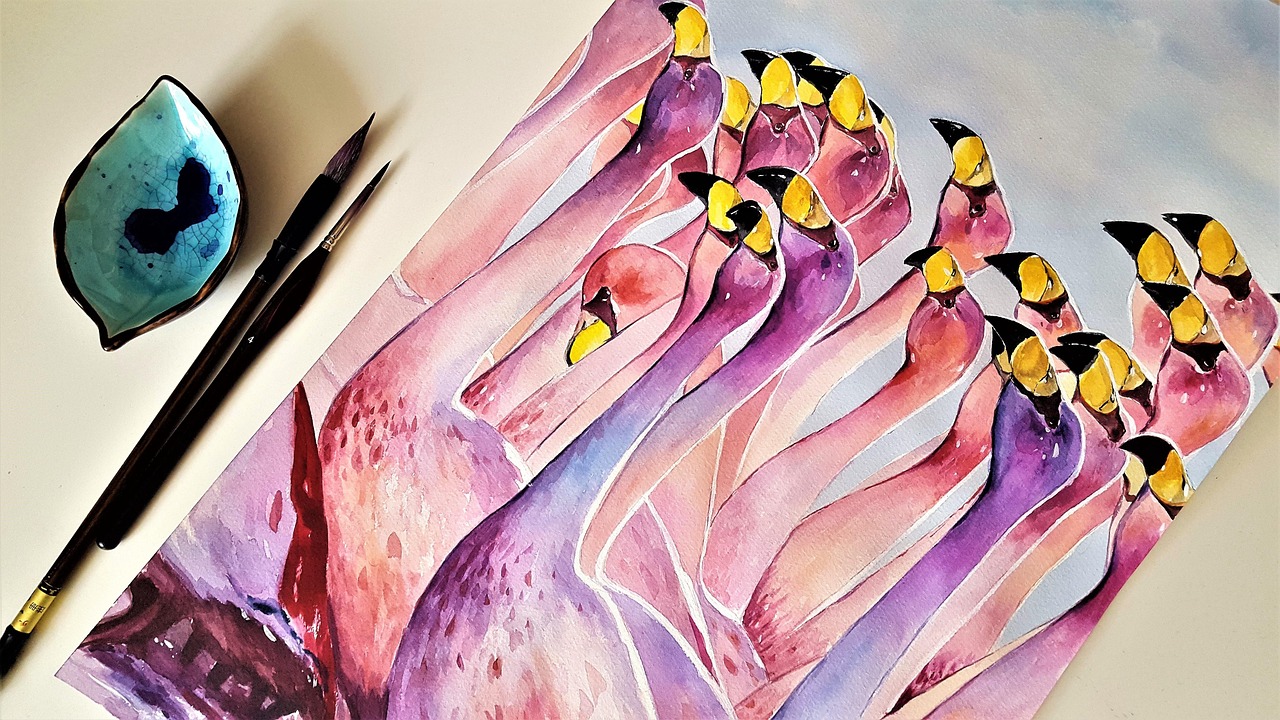
For artists and creators seeking an affordable place to live and work in urban areas, the concept of an ADU (Accessory Dwelling Unit) offers a promising solution. When considering whether to build or hire for your dream ADU, several key factors come into play. Understanding the DIY versus hire debate is crucial for maximizing your investment and ensuring a space tailored to your creative needs.
DIY vs. Professional: Weighing Your Options
Embarking on an ADU project can be an exciting DIY endeavor, allowing you to customize your space exactly as you envision it. Many artists find the creative process of building their own ADU fulfilling. However, it's essential to recognize the time, expertise, and skills required. If you're not experienced in construction or architecture, a DIY approach might lead to unforeseen challenges. Consider your budget, timeline, and the potential for mistakes. Sometimes, hiring a professional is the better choice. Top-rated ADU conversion services offer expertise in navigating local regulations, structural modifications, and ensuring compliance, which can save you time, money, and potential legal headaches.
Professional ADU design for artists often incorporates specific requirements like ample natural light, tailored workspace, and soundproofing for peaceful creative flow. If you're a digital nomad, locating your ADU in a best-in-class location for remote work, with reliable high-speed internet, can be a major improvement. This might influence your decision to hire a service that specializes in optimizing ADUs for modern, mobile workers.
Location, Location, Location: The Urban ADU Advantage
When considering an ADU, location is key. Urban areas offer a vibrant creative community and easy access to cultural resources, making them an attractive option for artists and creators. However, this also means higher land and construction costs. Researching local markets and understanding the real estate landscape is vital. Local building departments and state housing authorities can provide insights into zoning regulations and ADU feasibility in your desired area. The National Conference of State Legislatures offers comprehensive guides to state-specific ADU laws, which can vary significantly.
Community Connections: Finding Support for Artist ADUs

For artists seeking affordable ADUs in urban areas, tapping into the local community can open doors to opportunities and support. Building connections with like-minded creatives, local ADU specialists, and experienced contractors can streamline the process and ensure a successful project. Start by engaging with online forums and social media groups dedicated to artists and ADU conversion. These platforms provide a space to ask questions, share experiences, and discover top-rated ADU conversion services tailored to artists' needs. Many cities have thriving digital nomad communities and co-living spaces where artists can find like-minded individuals and gain valuable insights into local ADU regulations and trends.
Maximizing natural light is a crucial consideration for any artist's workspace. When planning your ADU, consult with architects and interior designers specializing in artist studios to optimize sunlight exposure. Proper lighting enhances creativity and reduces eye strain. Engage with local architectural firms that have experience designing artist's ADUs to ensure your space is both functional and aesthetically pleasing. They can offer expert advice on layout, window placement, and the use of reflectors or skylights to create a bright, inspiring environment.
To ensure a safe and reliable construction process, it's essential to work with licensed and insured professionals. Verify the credentials of any contractor or service provider before beginning work. Many local building departments offer resources to help artists navigate the permitting process and connect with trusted contractors. These services can be invaluable, providing a checklist of requirements and ensuring your ADU for artists and creators complies with all necessary codes and regulations. By leveraging community connections and enlisting the help of qualified experts, artists can turn their urban ADU dreams into reality while maintaining safety and quality.
Frequently Asked Questions About 10 Essential Tips for Artists Seeking Affordable ADUs in Urban Areas
What are Affordable ADUs? Affordable ADUs, or Accessory Dwelling Units, are additional housing structures within or attached to an existing building, designed to provide rental income and accommodate guests or family members. In urban areas, where land is scarce and expensive, ADUs offer a creative solution to housing shortages and can be a great option for artists looking for affordable living spaces.
How can I find affordable ADU options in urban areas? Explore local real estate listings, community boards, and online marketplaces dedicated to small living spaces. Reach out to local architects and builders specializing in ADUs for insights and referrals. Many cities offer incentives and grants for creating ADUs, so checking municipal websites can introduce valuable resources and opportunities.
What are the building codes and regulations for ADUs? Building codes and regulations vary significantly between cities and neighborhoods. Ensure you understand local laws regarding ADU construction, zoning restrictions, and permitted uses. Consulting with a professional builder familiar with these codes is essential to avoid costly mistakes and ensure your ADU complies with all regulations.
Can I convert my existing garage into an ADU? Converting a garage into an ADU is a popular choice for urban dwellers, but it's crucial to assess the structural integrity and electrical/plumbing capabilities of your garage. Major renovations may be needed, and local building codes must be strictly adhered to. Always consult with a licensed contractor to evaluate feasibility and ensure your ADU is safe and code-compliant.
How much does it cost to build an ADU? The cost of building an ADU can vary widely based on location, size, materials, and complexity. Most installations take one to two days, with costs ranging from $25,000 to $150,000, depending on these factors. It's recommended to obtain several quotes from reputable contractors and compare them thoroughly before making a decision.
What are some creative financing options for ADUs? Lease-to-own agreements, home equity loans, and personal loans are viable financing options for ADU construction. Some banks and credit unions offer specialized loans for home improvements, while community banks and credit unions might provide more flexible terms. Exploring these options can help make your ADU dreams a reality with manageable financial burdens.
Should I consider the potential rental income when buying an ADU? Absolutely. Many urban artists view ADUs as an investment opportunity, providing passive income to offset mortgage costs. Consider the local rental market, demand for short-term stays, and potential long-term tenants to gauge the financial viability of your ADU investment.
As artists seek affordable spaces in urban areas, ADUs for artists and creators offer a promising solution. By understanding the legal framework, navigating zoning regulations, and budgeting effectively, artists can transform their creative visions into reality. From choosing the right neighborhood to designing functional spaces, each step is crucial. Whether opting for a DIY project or hiring professionals, a well-planned ADU can provide the perfect blend of studio and living. Building community connections can also achieve valuable support, fostering an environment conducive to artistic growth. Armed with these insights, artists are now equipped to make informed decisions, ensuring their ADU dreams are within reach while contributing to vibrant urban communities.
Artists and creators can leverage ADU (Accessory Dwelling Units) to blend work and living in urban areas. Key steps include understanding local regulations, finding suitable spaces, designing for both function and aesthetics, and engaging with experts. Consider location for inspiration and community, and weigh DIY versus professional construction. Leverage online communities, connect with local specialists, and optimize natural light for a successful, supportive ADU experience.