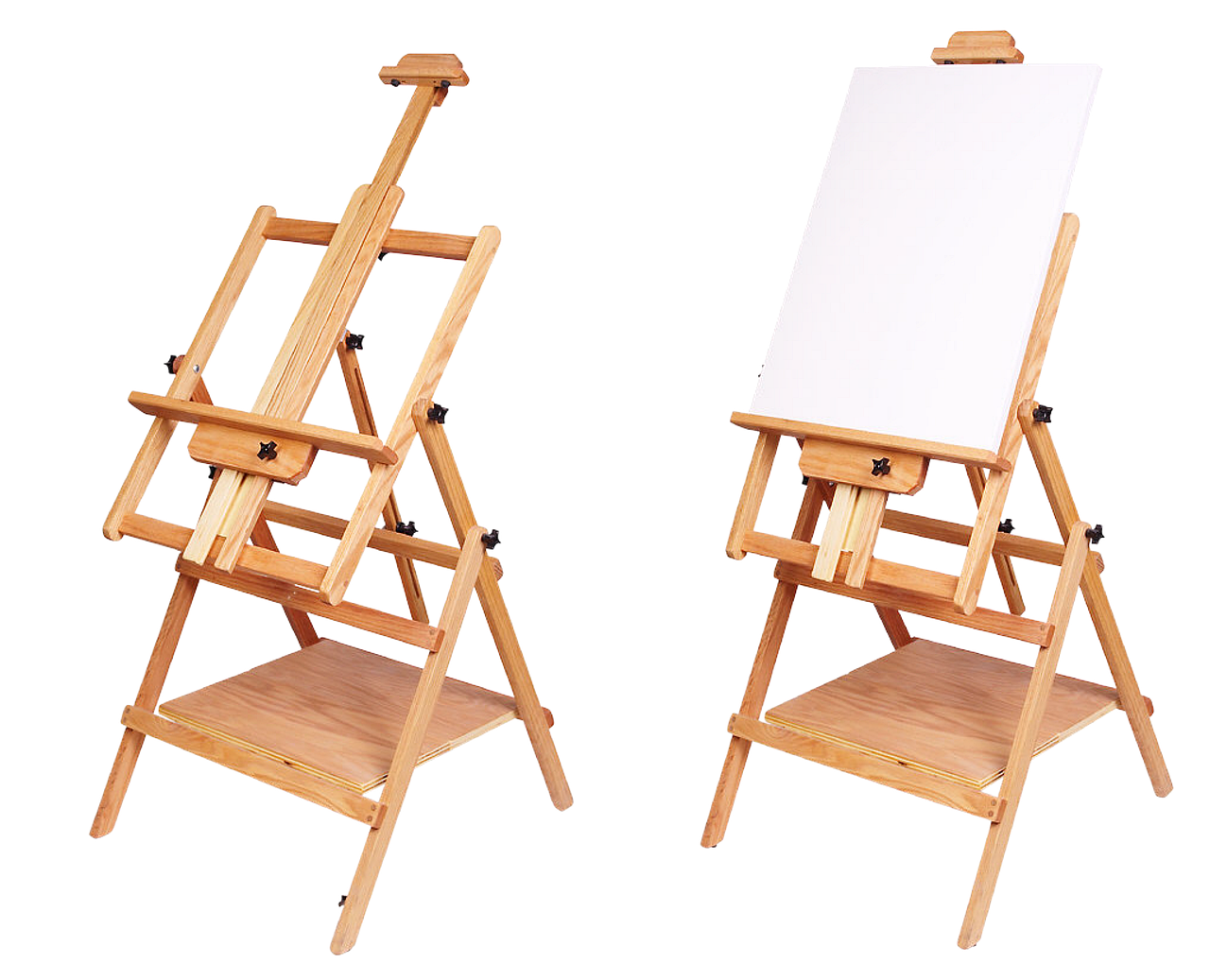
Turning an old garage into your dream art studio is a popular and fulfilling choice for artists and creators seeking creative space. This conversion offers a unique blend of personalization, cost-effectiveness, and potential for property value increase. However, the process can feel daunting, from navigating legal and regulatory frameworks to ensuring adequate space and functionality. This article provides a practical guide to successfully transforming your garage into a vibrant artistic haven, exploring everything from design and financial considerations to community and remote work opportunities, all tailored for the unique needs of artists and creators.
- Planning Your ADU Art Studio: From Vision to Blueprint
- Legal Considerations: Permits and Zoning for Your Studio
- Structural Assessment: Preparing Your Old Garage for Conversion
- Designing Your Dream Space: Customizing Your Art Studio
- Electrical and Plumbing Upgrades: Powering Your Creative Space
- Finishing Touches: Creating a Creative Haven
- Achieving Your Studio's Potential: Tools and Inspiration for Artists
Planning Your ADU Art Studio: From Vision to Blueprint

Turning your old garage into a vibrant art studio is an exciting project, especially when you consider the benefits of an ADU for artists and creators. Planning this conversion involves a meticulous process, from envisioning your ideal workspace to obtaining the necessary permits. The first step is to define your artistic needs and the studio's functionality. Do you require ample space for large-scale installations? Will you need specialized lighting or ventilation? Creating detailed plans with the help of top-rated ADU conversion services ensures your studio meets these specific requirements.
Once you have a clear vision, it's time to navigate the legal aspects. Many artists and creators opt for a same-day ADU permit for art installations, demonstrating the accessibility of the process. However, this varies based on your location and the complexity of your project. Local building departments and ADU authorities set guidelines and regulations, so it's crucial to research and understand these requirements. You can begin by consulting with architects specializing in ADUs or interior designers who can guide you through the local permitting process.
The financial aspect is another critical component. ADU conversions can vary widely in cost, so seeking expert advice from ADU cost estimators is beneficial. They can provide transparent quotes and help you budget accordingly. Remember, the price depends on factors like the studio's size, materials used, and local labor costs. Reviews and ratings of ADU for artists: services can offer valuable insights into different contractors' quality and reliability, ensuring you make an informed decision. Digital nomad communities and co-living spaces often have active forums where artists share their experiences with local ADU conversions.
Legal Considerations: Permits and Zoning for Your Studio

Transforming an old garage into a vibrant art studio is an exciting project for artists and creators, but navigating the legal landscape of ADU conversions can be daunting. Understanding the permit and zoning requirements is crucial for a successful and compliant transformation. This section examines the essential legal considerations for turning your garage into a creative haven, with a focus on the unique needs of artists and the best ADU locations for digital nomads.
The first step in any ADU conversion is to consult your local Local Building Departments and Local ADU Authorities. These entities are responsible for enforcing zoning regulations and issuing the necessary permits. Artists and creators should be aware of the specific requirements for residential conversions, especially when adapting spaces for artistic pursuits. The National Conference of State Legislatures provides valuable resources outlining state-by-state regulations, highlighting the importance of local guidelines. Some areas may have specific codes for artist studios, ensuring adequate ventilation, natural light, and safety measures.
Affordable and professional ADU design for artists is a growing market, catering to the unique needs of digital nomads seeking creative spaces. When designing or modifying a garage, consider the specific requirements of your artistic practice. This might include ample space for large equipment, specialized lighting, or soundproofing for recording studios. Engaging an architect specializing in ADUs or an interior designer with experience in this field can ensure your studio meets both functional and aesthetic goals. Remember, the right design can enhance creativity and productivity, making your garage a thriving artistic hub.
Zoning regulations play a pivotal role in determining the feasibility of your project. Ensure your local zoning laws permit conversions for artist studios or residential use. Some areas may have restrictions on the type of business or residential unit allowed in a particular zone. Residential zones might have limits on the number of rooms or the size of a structure. Understanding these regulations early on can save time and avoid costly delays. Consulting with a real estate market analyst familiar with best ADU locations for digital nomads can provide valuable insights into areas with favorable zoning and growing artistic communities.
Structural Assessment: Preparing Your Old Garage for Conversion

Transforming your old garage into a vibrant art studio within an existing home is an appealing prospect for many artists and creators looking to monetize their passion. However, before examining the design and construction process, a crucial initial step is the structural assessment. This evaluation is essential to ensure your garage is ready to withstand the conversion process and become your dream creative space.
A professional structural assessment involves a thorough inspection of your garage's foundation, walls, and roof. It identifies any potential issues, such as rot, weak spots, or structural deficiencies, which could compromise the safety and integrity of your new art studio. Think of it as laying the groundwork-literally-for your ADU for artists and creators. An experienced contractor will check for adequate load-bearing capacity, especially if you plan to add larger windows or a loft area, which could significantly impact the structural design.
During this assessment, experts will also consider the garage's overall age and condition. Older structures may require more intensive repairs and reinforcement. This is particularly important for emergency ADU construction, where swift conversion is necessary. The assessment provides a detailed plan for the necessary modifications, ensuring the space is not only functional but also safe for your artistic pursuits. It's a critical step that prevents costly repairs down the line, allowing you to focus on the creative aspects of your side hustle.
Designing Your Dream Space: Customizing Your Art Studio

Transforming an old garage into your dream art studio within an ADU for artists and creators involves a blend of creative vision and practical planning. The first step is to design a space that not only accommodates your artistic needs but also leverages the unique characteristics of your existing garage. Consider natural light-a key element for any artist-and use windows or skylights to maximize daylight, potentially eliminating the need for artificial lighting during the day. Architects specializing in ADUs can help optimize the layout, suggesting partitions or reconfigurations to create a functional studio while preserving the garage's original charm.
Cost-effective ADU renovations for creative minds often involve clever storage solutions and multi-functional spaces. A high ceiling can double as a studio area, while lower sections can be designated for storage or a small gallery. Integrate shelving and custom storage units to keep your supplies organized and within reach. Think about adding essential amenities like a workbench, an ergonomic chair, and adequate ventilation, especially if you work with materials that require specific air quality conditions. The goal is to create a dynamic, inspiring environment that enhances your creative process.
Co-working ADU spaces for creative communities are gaining popularity among artists and creators, offering both collaboration and solitude. While designing your dream studio, consider the potential for community interaction. Could your garage double as a shared space for like-minded artists, fostering an exchange of ideas and inspiration? Local building departments and ADU authorities often provide guidelines for such conversions, ensuring that your installation adheres to safety and zoning regulations. Even securing a same-day ADU permit for art installations 1-3 times throughout the process can be feasible, depending on your local requirements, streamlining your project timeline.
The success of your ADU conversion hinges on tailoring the space to your unique artistic needs. Engage with professionals, from interior designers to contractors, who understand the nuances of transforming a garage into a thriving art studio. By balancing creativity with practicality, you'll soon be enjoying a customized, inspiring workspace that supports your artistic pursuits.
Electrical and Plumbing Upgrades: Powering Your Creative Space
Transforming an old garage into a vibrant art studio is a dream for many artists and creators. However, bringing this vision to life requires careful planning, especially for essential services like electricity and plumbing. These systems must be capable of handling the unique demands of an art studio, from powering large machinery to supporting specialized lighting and cooling systems. A well-planned upgrade ensures your creative space is not only functional but also safe and comfortable.
When undertaking ADU for artists and creators, the focus on licensed and insured professionals is paramount. Local building departments and state housing authorities often have strict regulations regarding electrical and plumbing work. Engaging contractors with the necessary licenses and insurance provides peace of mind, ensuring your project complies with legal requirements. In most locations, an electrician is required for installations exceeding a certain amperage, and a plumber for water supply and waste systems.
The best ADU locations for digital nomads, known for their thriving creative communities, often have robust utility infrastructure. Researching local utility providers and comparing rates can help you budget effectively. Consider the energy-efficient options and smart home technologies that can reduce long-term operating costs. LED lighting and energy-efficient appliances can significantly lower electricity bills, making your studio both eco-friendly and cost-effective.
To functionality, consider the aesthetics of your studio's power and water systems. Concealing or integrating electrical panels and plumbing fixtures can enhance the overall design and minimize disruptions to your creative workflow. Engaging with architects and interior designers who specialize in ADUs can provide valuable insights into space optimization and system placement. They can help you create a studio that not only meets your functional needs but also inspires your artistic vision.
Finishing Touches: Creating a Creative Haven

Converting an old garage into your dream art studio is a journey that requires both creativity and careful planning. Once the structural work is complete, it's time to focus on the finishing touches that will transform this space into a haven for artistic expression. These details are crucial, especially for artists and creators, who need a studio that not only inspires but also supports their unique practices.
The final layer of any space is its aesthetic and functional finish. This involves selecting the right materials for walls, floors, and ceilings to enhance natural light, reduce noise, and create a visually appealing environment. Consider the impact of a well-placed gallery wall or a custom-built storage system tailored to your specific art supplies. Artists often have unique storage needs, so ensuring the design accommodates these is vital. Negotiating an ADU lease agreement as an artist brings specific legal considerations to the forefront. The terms should accommodate your creative workflow and any specialized equipment, such as a potter's wheel or a large canvas area. The affordable ADU for artists, especially those 1-3 times the local average, can be a major improvement, providing access to a dedicated space at an accessible price point.
Acoustics and insulation are other critical aspects. Many artists, particularly those working with music or sound installations, require a quiet space. Adequate insulation and soundproofing techniques can transform a garage into an acoustic haven. This may involve negotiating with neighbors and local building departments to ensure compliance with noise regulations. Artists working with large equipment or multiple tools should consider the electrical setup. Upgrading to a robust electrical system to support your studio's power demands is a practical consideration that falls under the "finishing touches" category.
Lastly, think about the studio's overall layout and workflow. The space should encourage productivity and creativity. This could mean designing custom workstations or incorporating elements that enhance focus, such as plants or specific lighting arrangements. By carefully curating these finishing details, you'll not only create a functional art studio but also a space that reflects your artistic personality and supports your creative process-a true haven for artists and creators.
Achieving Your Studio's Potential: Tools and Inspiration for Artists
Turning an old garage into your dream art studio within an ADU for artists and creators is an exciting journey that combines creativity with practical design. To achieve your studio's full potential, consider the unique aspects that can transform this space into a vibrant artistic haven.
Maximizing natural light is crucial for any artist's studio. Ensure your design incorporates large windows or skylights to flood the space with natural illumination. This not only reduces the need for artificial lighting but also creates a visually appealing and inspiring environment. Trusted ADU inspectors in your area can verify that your structural modifications meet local building codes. They can also assess the potential for improving ventilation and insulation, which are essential for comfort and the preservation of artwork.
Professional ADU design tailored to your artistic needs is key. Think about the specific tools and storage requirements you have. Will you need a large worktable or multiple stations for different mediums? A well-designed studio should accommodate these while incorporating adaptable spaces. Consider a folding or retractable table for larger projects, or adjustable lighting fixtures to suit various tasks.
Inspiring artists, consider the acoustic environment. If your studio doubles as a space for remote work or hosting creative gatherings, acoustical engineers can help mitigate echo and noise. This is particularly important if you plan to record audio or video content. By balancing functionality, aesthetics, and comfort, your ADU for artists and creators can become a thriving creative hub that elevates your artistic practice.
Frequently Asked Questions About ADU Conversions: Transforming an Old Garage into Your Dream Art Studio
What is an ADU, and how can it be converted into an art studio? An Accessory Dwelling Unit (ADU) is a secondary residential space attached to or detached from the main house. Converting an old garage into an art studio involves reconfiguring the space for artistic pursuits, which often includes installing adequate ventilation, lighting, and power outlets. It may also require adding storage for art supplies, a worktable, and custom shelving. Professional contractors can handle the renovation, ensuring the garage meets safety standards and complies with local building codes.
How much does it cost to transform a garage into an art studio? The cost varies widely depending on the garage's size, the extent of the renovation, and local labor rates. Most ADU conversions take one to two days, but complex projects may extend this timeframe. Materials, permits, and professional labor are significant expenses. On average, homeowners spend $25,000 to $50,000 for garage conversions, but this can range from $10,000 to $100,000+ based on the project's scope.
What permits are required for this type of renovation? Permits ensure the project complies with building codes and zoning regulations. Typically, you'll need a building permit and possibly a zoning permit. The specific requirements vary by location, so consult your local building department. Additional permits might be needed for electrical, plumbing, or structural changes.
Can I create an ADU art studio without a contractor? While DIY projects are popular, complex renovations like ADU conversions often require professional expertise. Contractors ensure the work meets safety standards and local codes, protecting your investment. They also handle permitting, which can be a legal requirement. For an art studio, consider hiring specialists in interior design, lighting, and soundproofing for a tailored, functional space.
What should I consider when designing my art studio? Design elements include natural light, electrical outlets, and storage. Think about the type of art you'll create, as this influences space requirements. Painting needs more wall space than sculpture, which may require a larger, open area. Consider noise levels if you plan to play music or use power tools. A well-designed studio enhances creativity and productivity.
Converting an old garage into a vibrant art studio is a transformative journey for artists and creators, offering a unique blend of creativity, practicality, and personal fulfillment. By navigating the legal framework, understanding structural needs, and carefully designing the space, you can achieve a dedicated creative haven. The article has guided you through each step, from initial vision to final touches, emphasizing the importance of planning, attention to detail, and the power of informed decisions.
Key insights include the crucial role of local regulations and permits, ensuring your project complies with the adu for artists and creators in your community. Structural assessments are vital to guarantee safety and stability during the conversion process. Customizing your space, from layout to aesthetics, allows for a studio that reflects your artistic vision. Upgrades in electrical and plumbing systems are essential for a functional and efficient creative environment.
Finally, the article encourages artists to embrace the unique benefits of their converted garage, providing a space to explore, experiment, and thrive. With the right guidance and a thoughtful approach, your old garage can become a thriving hub for artistic expression, solidifying your studio as a valuable asset for any artist and creator.
Transforming an old garage into an art studio through an ADU for artists and creators involves meticulous planning, from legal considerations and financial planning to design and functionality. Key steps include defining artistic needs, navigating zoning and permit requirements, seeking expert advice on costs and design, and prioritizing aesthetics and comfort. Successful conversions result in vibrant, inspiring spaces tailored to artists' unique practices, enhancing productivity and creativity.